
The Overlooked Risk in EV Manufacturing
As electric vehicles become more common, battery quality and safety have never been more important. For quality assurance in EV battery production, one critical step is bonding aluminum parts to create a sealed battery casing. These casings must be tightly sealed because they circulate oil for cooling inside. Any weak bond could lead to leaks and product failure.
To make sure the adhesive bonds are strong, the aluminum surfaces are treated with plasma or laser technology after cleaning. This step activates the surface—making it more adhesive-friendly by increasing surface energy.
To check if the activation worked, automotive manufacturers use a tool like the SITA SurfaSpector. This handheld device quickly tests how well the surface can bond by measuring wettability—how well water spreads across the metal. Better spreading means better bonding potential.
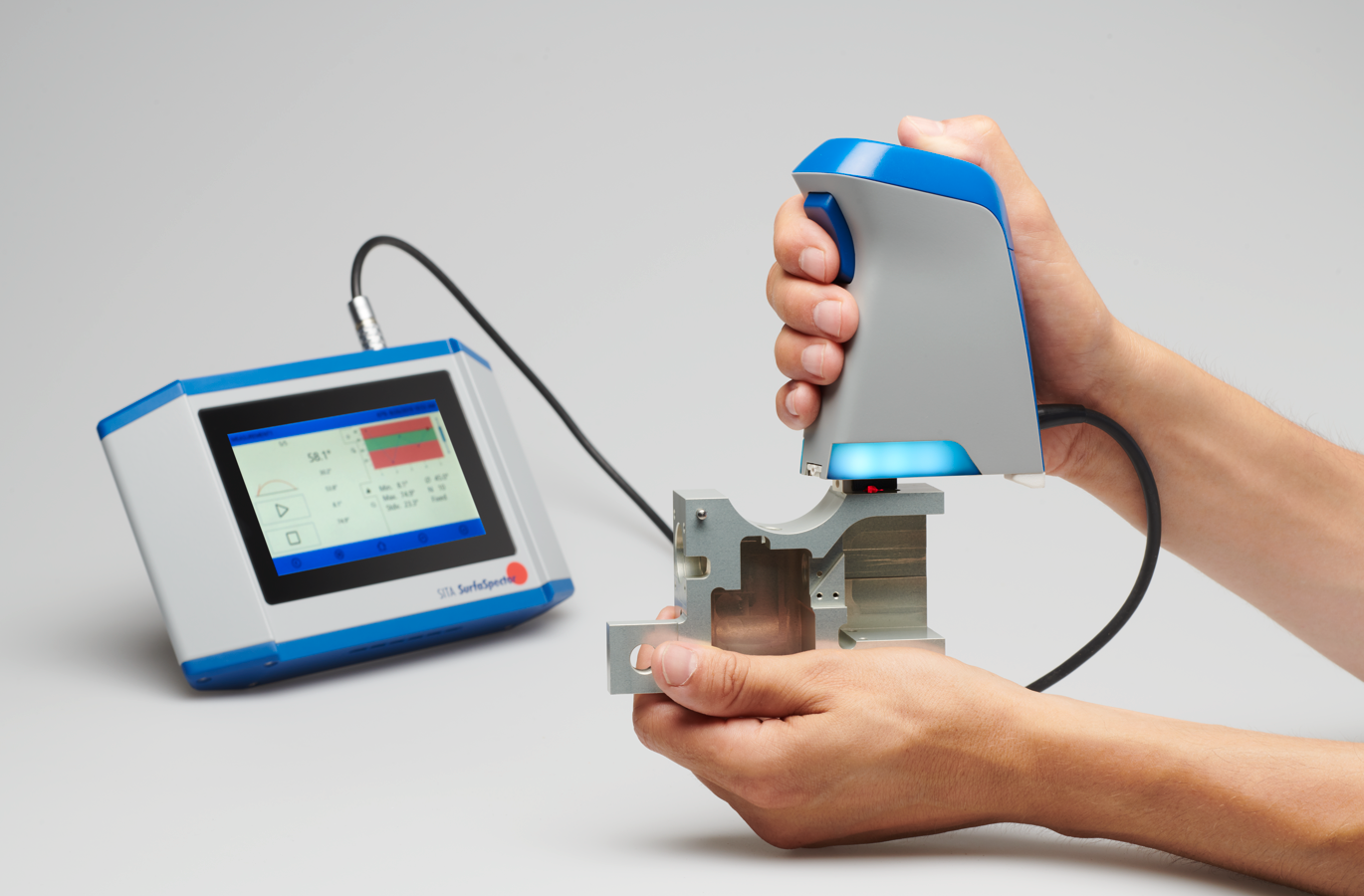
The SurfaSpector is ideal for fast, in-line quality checks:
-
No PC needed – It’s fully mobile and controlled via touchscreen.
-
Simple to use – Operators can check parts right on the production floor.
-
Works on different shapes – Its small sensor head can test a variety of part geometries.
Manufacturers can use it either:
-
Right after surface activation – To confirm the surface is ready to bond.
-
Just before bonding – To double-check the surface is still properly activated.
Adding this simple step helps ensure each battery casing is reliably sealed—supporting long-term performance and customer safety.
To learn more about the SurfaSpector request a cleanliness testing system demo

Want to learn more about surface readiness? Take a look at our earlier blog post: Understanding Contact Angle Measurements and Wettability